Historic tunnel project will cut travel time and provide year-round access
Zojila Tunnel breakthrough set to transform Kashmir–Ladakh connectivity
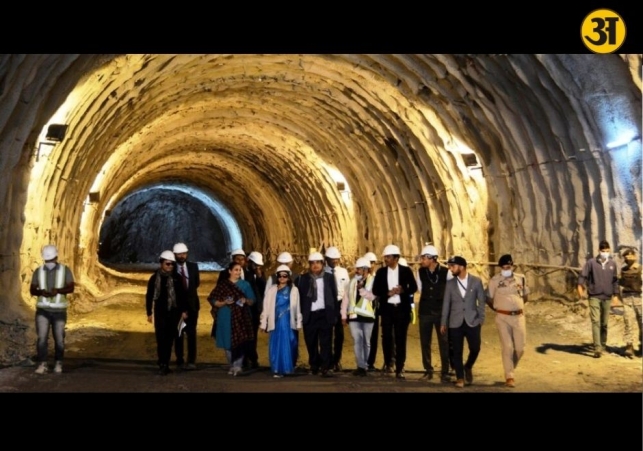
India’s ambitious Zojila Tunnel project is set to reach a major milestone on June 9, bringing the country one step closer to creating an all-weather road connection between Jammu and Kashmir and Ladakh. Union Minister for Road Transport and Highways Nitin Gadkari is expected to mark the occasion by triggering the breakthrough blast, a key stage in tunnel construction when excavation teams working from opposite ends finally meet.
The Zojila Tunnel is one of the most important infrastructure projects currently being built in India. Once completed, it will improve transportation, strengthen national security, boost tourism, and make daily life easier for people living in remote mountain regions.
The tunnel is being constructed at a very high altitude of around 11,578 feet above sea level. It is part of a larger road development project stretching over 30 kilometres and is expected to be completed by 2028. After completion, it will become the world's longest single-tube, bi-directional road tunnel at an altitude of around 11,500 feet.
The project is considered a major engineering achievement because of the difficult terrain, extreme weather conditions, and strategic importance of the region.
A game-changing project for the region
At present, people travelling from Sonamarg in Kashmir to Dras and Ladakh must cross the Zojila Pass. The mountain pass is one of the most challenging routes in the country and is known for heavy snowfall, avalanches, strong winds, and dangerous driving conditions.
Every year, the pass remains closed for several months due to severe winter weather. As a result, Ladakh often becomes temporarily cut off from the Kashmir Valley and other parts of India. This affects transportation, trade, tourism, and the supply of essential goods.
The Zojila Tunnel is designed to solve this long-standing problem by providing a safe and reliable route throughout the year.
Currently, the journey through the Zojila Pass can take nearly three hours under normal conditions. During bad weather, travel becomes even more difficult and risky.
Once the tunnel becomes operational, the same journey is expected to take only about 15 minutes. This dramatic reduction in travel time will make transportation faster, safer, and more convenient for both residents and visitors.
The tunnel will also reduce the risks associated with travelling through snow-covered mountain roads and avalanche-prone areas.
ALSO READ: Canada’s economy slows as immigration falls, says Prime Minister Mark Carney
ALSO READ: Trump says he will headline America’s 250th Independence Day event after artists pull out
Benefits for people and national security
The Zojila Tunnel is expected to bring major benefits to local communities in both Jammu and Kashmir and Ladakh.
One of the biggest advantages will be uninterrupted access to essential supplies. During winter months, many remote areas face difficulties in receiving medicines, food items, fuel, vegetables, and other necessities because road connections are disrupted.
With year-round connectivity, residents will be able to receive supplies regularly without worrying about seasonal road closures.
Healthcare services are also expected to improve. Patients who need medical treatment in larger cities will be able to travel more easily, while emergency services will become faster and more effective.
Students and workers will also benefit from improved transportation. Better connectivity will make travel easier for education, employment, and business activities.
The tunnel is equally important from a national security perspective.
The Indian Army relies heavily on road networks to move troops, vehicles, equipment, and supplies to border areas. Harsh weather conditions often make transportation difficult during winter.
After the tunnel becomes operational, military personnel and equipment will be able to move throughout the year without interruption. This will significantly strengthen India's strategic capabilities in sensitive border regions and improve logistical support for defence operations.
The tunnel is therefore considered not only an infrastructure project but also a key strategic asset for the country.
Tourism is another sector expected to benefit greatly.
Destinations such as Ladakh, Kargil, Dras, and Sonamarg attract visitors from across India and around the world. However, harsh winters often limit tourist access to these regions.
Year-round road connectivity will allow more tourists to visit throughout the year, creating new opportunities for hotels, transport operators, restaurants, guides, and local businesses.
The increase in tourism could generate additional income and employment opportunities for thousands of families living in the region.
The Zojila Tunnel is also equipped with advanced safety and monitoring systems. These include CCTV surveillance, modern ventilation facilities, radio communication systems, and uninterrupted power supply arrangements. Such features are designed to ensure safe and efficient travel through the tunnel under all weather conditions.
Officials have stated that the use of modern engineering techniques and innovative construction methods has also helped save more than ₹5,000 crore in project costs.
The breakthrough event scheduled for June 9 represents an important step forward in the construction process. Although work will continue before the tunnel is fully operational, the milestone highlights the significant progress already achieved.
When completed, the Zojila Tunnel will transform travel across the Himalayan region, strengthen connectivity between Kashmir and Ladakh, support economic growth, improve national security, and make life easier for people living in some of India's most remote areas. It is expected to stand as one of the country's most significant infrastructure achievements of the decade.
Related News